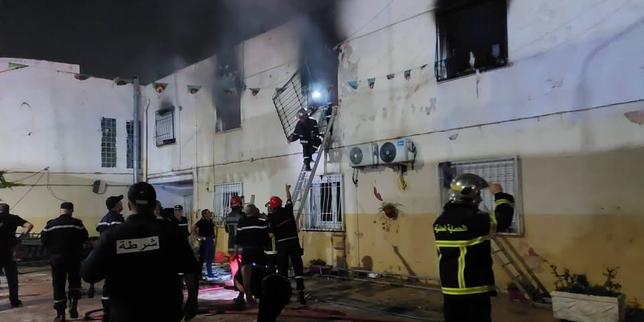
In December 2023, a devastating fire ripped through a specialized care home for disabled children in Algeria’s eastern province of El Oued, leaving at least 11 children dead and exposing a catastrophic failure in state-run infrastructure safety. Initial reports quickly pointed to a short circuit in a faulty electric heater, but this explanation merely scratches the surface. The real tragedy lies in years of bureaucratic inertia, substandard construction, and a glaring absence of basic fire-safety protocols in the nation's public care institutions. It was an accident waiting to happen, occurring in a system where the most vulnerable citizens are housed in facilities that lack the most rudimentary emergency defenses.
The incident is not an isolated mishap. It represents a deeper, structural failure within Algeria’s public safety inspection framework and the procurement processes of the Ministry of Solidarity. To understand how such a disaster occurs, one must look past the spark itself and examine the regulatory vacuum that allowed a highly flammable environment to exist in a home housing children unable to evacuate themselves.
The Fatal Spark in a High-Risk Environment
The facility in El Oued housed children with severe cognitive and physical disabilities. When the fire broke out in the early hours of the morning, most of the victims were trapped in their beds.
A standard electrical malfunction should not result in an immediate mass-casualty event. In modern, properly regulated facilities, fire-resistant building materials, automatic sprinkler systems, and localized smoke alarms prevent localized failures from turning into death traps. In this case, none of these safeguards functioned. The building’s interior design relied heavily on cheap, synthetic insulation and paneling, which acted as an accelerant. Toxic smoke filled the corridors within minutes, suffocating the victims before rescue teams could even breach the perimeter.
Why Emergency Evacuation Failed
For children with limited mobility, evacuation requires active assistance and specialized architectural pathways.
- Lack of nighttime staffing: On-duty personnel were insufficient to manage the rapid evacuation of multiple disabled residents simultaneously.
- Architectural bottlenecks: Narrow exits and barred windows—installed under the guise of security—prevented quick egress and blocked immediate access for local neighbors who rushed to help.
- Absent alarm systems: The absence of a centralized, hardwired fire alarm meant the fire was only noticed when smoke and flames had already engulfed the main dormitory.
The Deeper Crisis of Algerian Public Infrastructure
This tragedy is part of a recurring pattern of infrastructure failures in Algeria's public sector. For decades, rapid urbanization and state-funded construction projects have prioritized speed and low cost over rigorous safety standards.
When the state commissions public works, contracts frequently go to politically connected local firms that cut corners. Substandard wiring, cheap heating units, and uncertified building materials are routinely used to maximize profit margins. Independent safety audits are virtually non-existent, and local civil defense departments are rarely brought in to certify a building’s safety before it is occupied.
+-------------------------------------------------------------+
|              The Chain of Infrastructure Failure            |
+-------------------------------------------------------------+
|  Cheap Material Sourcing -> Lack of Third-Party Audits       |
|  -> Insufficient Emergency Staffing -> Fatal Outcome        |
+-------------------------------------------------------------+
Historically, the response from Algerian authorities follows a predictable script. After a public outcry, senior officials express condolences, promise a swift investigation, and occasionally sack a mid-level local administrator to appease the public.
But the systemic issues remain untouched. The fundamental laws governing public building safety in Algeria are outdated, heavily relying on administrative self-policing rather than independent, third-party inspections. Without a complete overhaul of how state-run care homes are built, maintained, and staffed, the country remains highly susceptible to similar disasters.
Redefining Safety Standards for Vulnerable Demographics
Protecting disabled youth and the elderly in state care requires more than just replacing faulty heaters. It demands a specialized approach to safety.
First, institutional facilities must be legally mandated to install active suppression systems, such as automated water sprinklers, which are proven to control fires in their infancy. Relying solely on hand-held fire extinguishers is useless in a facility where the residents cannot operate them.
Second, the state must implement strict, unannounced safety inspections conducted by independent fire safety engineers, completely separate from the ministries running the facilities. The conflict of interest is obvious: when the department operating a home is also responsible for inspecting it, violations are routinely swept under the rug to avoid budget overruns or administrative embarrassment.
Real change requires criminal accountability for procurement officers who approve substandard materials, alongside a dedicated capital fund to retrofit every public care facility in the country with flame-retardant materials and accessible escape routes. Until these measures are taken, the promises of reform remain empty words, and the country's most vulnerable will continue to pay the ultimate price for state neglect.