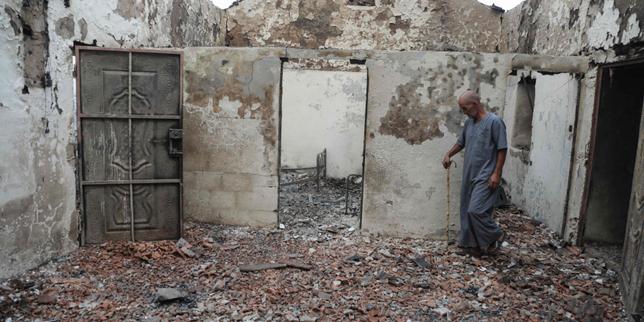
When a country changes its penal code to bring back capital punishment for specific crimes, people pay attention. Algeria recently did just that, passing a strict amendment targeting two specific offenses: deliberate forest fires and child kidnapping.
If you look at why this happened, you have to examine the summer destruction and social trauma that preceded it. Algeria has faced catastrophic seasonal wildfires for years, destroying thousands of hectares of woodlands, devastating local ecosystems, and costing human lives. At the same time, cases of child abduction and abuse triggered nationwide horror and outrage.
The Algerian parliament officially approved the bill amending the penal code, making the death penalty applicable to these specific acts. Under the updated legislation, prosecutors can pursue capital charges against anyone convicted of intentionally setting destructive forest fires or abducting minors. Crucially, the law also blocks mitigating circumstances for offenders caught under these provisions, meaning judges have less room to reduce sentences.
The Ecological and Security Trigger
Wildfires aren't just an environmental issue in North Africa. They are a national security crisis. During severe dry spells, massive blazes tore through regions like Tizi Ouzou, Bejaia, and Jijel, wiping out livelihoods and forcing mass evacuations.
Authorities pointed to organized criminal elements behind some of these fires, with allegations of sabotage and foreign interference. When nature is weaponized through arson, the state's response shifts from environmental management to counter-sabotage. By classifying intentional forest fires under capital offenses, the government wants to send an unmistakable message. If you burn down the country's green cover, you face the ultimate legal consequence.
Child Abduction and Public Rage
Child safety is another flashpoint. High-profile kidnapping cases shook public trust and brought thousands of citizens into the streets demanding extreme deterrence. Existing prison sentences weren't satisfying a public that viewed crimes against children as unforgivable.
The new legal framework targets anyone involved in abducting, torturing, or brutally treating minors. It also sweeps in digital coordination, stating that individuals who use social media to plan, incite, or finance these crimes can face the same severe penalties.
The Execution Moratorium Factor
While Algeria’s courts have continued to hand down death sentences over the years, the country has maintained a de facto moratorium on actual executions since 1993. Passing these legislative changes doesn't automatically mean a wave of executions is coming, but it dramatically hardens the judicial stance. It shifts the legal boundaries and strips away soft options for violent offenders and environmental saboteurs.
Human rights organizations have voiced concerns over expanding capital punishment, arguing that harsher laws rarely act as foolproof deterrents and pointing to the risks of judicial error. Yet, lawmakers and executive officials stood firm, driven by intense public pressure and a desire to protect both national infrastructure and the country's most vulnerable citizens.
The legal reality in Algeria has shifted. The state is betting that raw, unyielding severity will halt the fires and protect its children.



