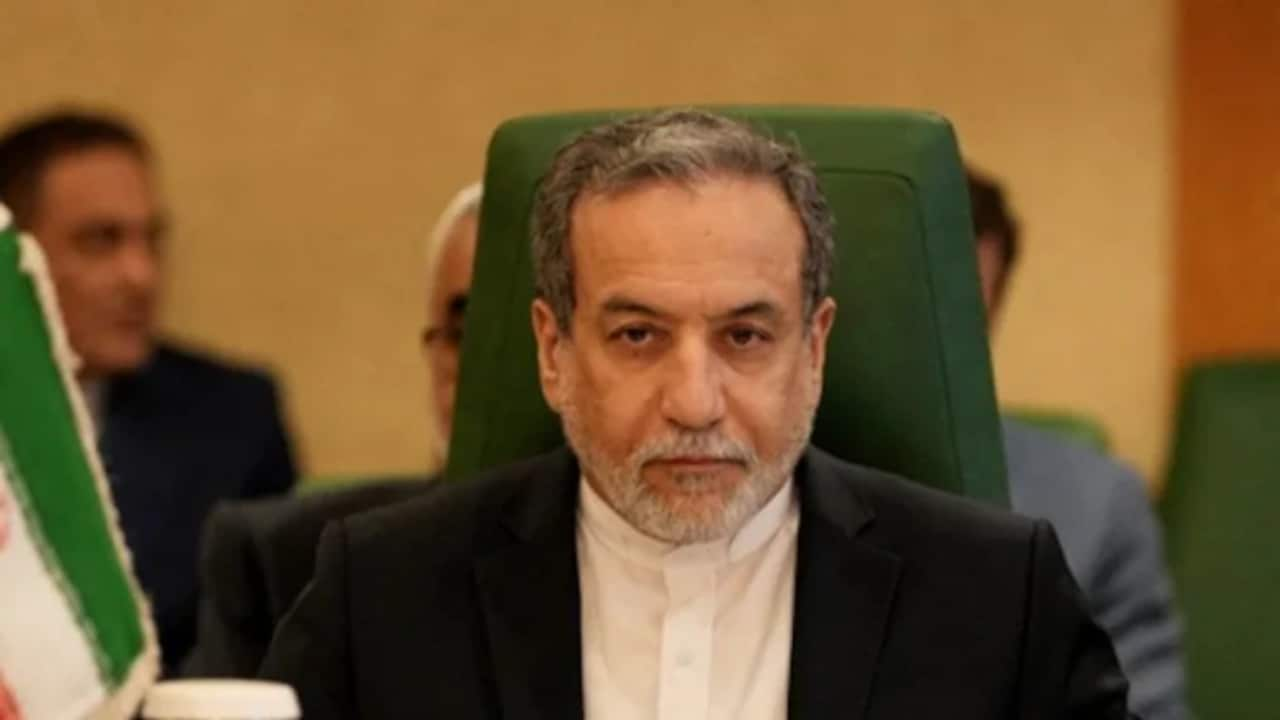
When Iranian Foreign Minister Abbas Araghchi touched down at John F. Kennedy International Airport for the eighty-first session of the United Nations General Assembly, the optics were heavy. Back home, a grinding, multi-front economic and naval clash with Washington was escalating by the week. Yet, diplomacy somehow found a pulse in Manhattan.
If you look past the standard diplomatic handshakes, Araghchi’s presence in New York wasn't just another routine UN appearance. It became a high-stakes stress test for whether communication channels can survive an active military confrontation.
Breaking Down the Manhattan Paradox
Why send a top diplomat to the heart of the United States while both nations are locked in a tense standoff involving naval blockades and regional friction? Simple. Wars are eventually fought over tables, not just trenches.
Araghchi didn't fly to New York expecting an instant peace treaty. He went to frame the narrative. While Washington and its allies tightened economic pressure campaigns and maritime choke points to restrict Tehran's oil revenues, Iran used the UN podium to push back on legal and geopolitical fronts. Araghchi explicitly argued that Washington's unilateral actions bypass the UN Charter, pressing the international community to take a hard look at the legality of ongoing military and economic measures.
The tension in New York exposed a deeper reality about modern statecraft. Even when two adversaries are practically at war, neither side wants to slam the door on backchannel communication entirely.
The Behind-the-Scenes Scramble
Getting Araghchi onto American soil was its own logistical drama. The U.S. State Department ultimately approved security details for the Iranian delegation following signals that high-level dialogue might find a window, even as visa hurdles and bureaucratic friction plagued members of the broader Iranian media team.
Regional mediators like Qatar and Oman worked overtime behind the scenes to keep the conversation breathing. These Gulf states have a massive stake in preventing full regional escalation, especially with critical trade arteries like the Strait of Hormuz hanging in the balance. Araghchi's stopovers and regional phone calls weren't accidental; they were calculated moves to align middle-ground partners before facing Western counterparts.
What Happens When the Cameras Turn Off
The real work of the UN General Assembly never happens on the main stage. It happens in closed-door meetings, brief corridor exchanges, and third-party mediation rooms.
Iran's strategy in New York boiled down to two objectives:
- Rally international legal arguments against U.S. and allied enforcement actions.
- Test whether Washington is genuinely open to structural negotiations or just using diplomatic venues for political theater.
Meanwhile, the U.S. administration faced its own balancing act. Enforcing strict naval blocks and counter-sanctions while managing the diplomatic fallout of a prolonged conflict requires a delicate touch. Letting Araghchi speak at the UN provided a pressure valve, but it also forced Washington to answer hard questions from international partners about long-term endgame strategies.
The UN session in New York proved that diplomacy doesn't stop just because the shooting starts. It just gets a lot more complicated. Watch how these backchannel talks translate into ground movements around critical trade corridors over the coming months. That is where the real verdict of this diplomatic theater will be written.