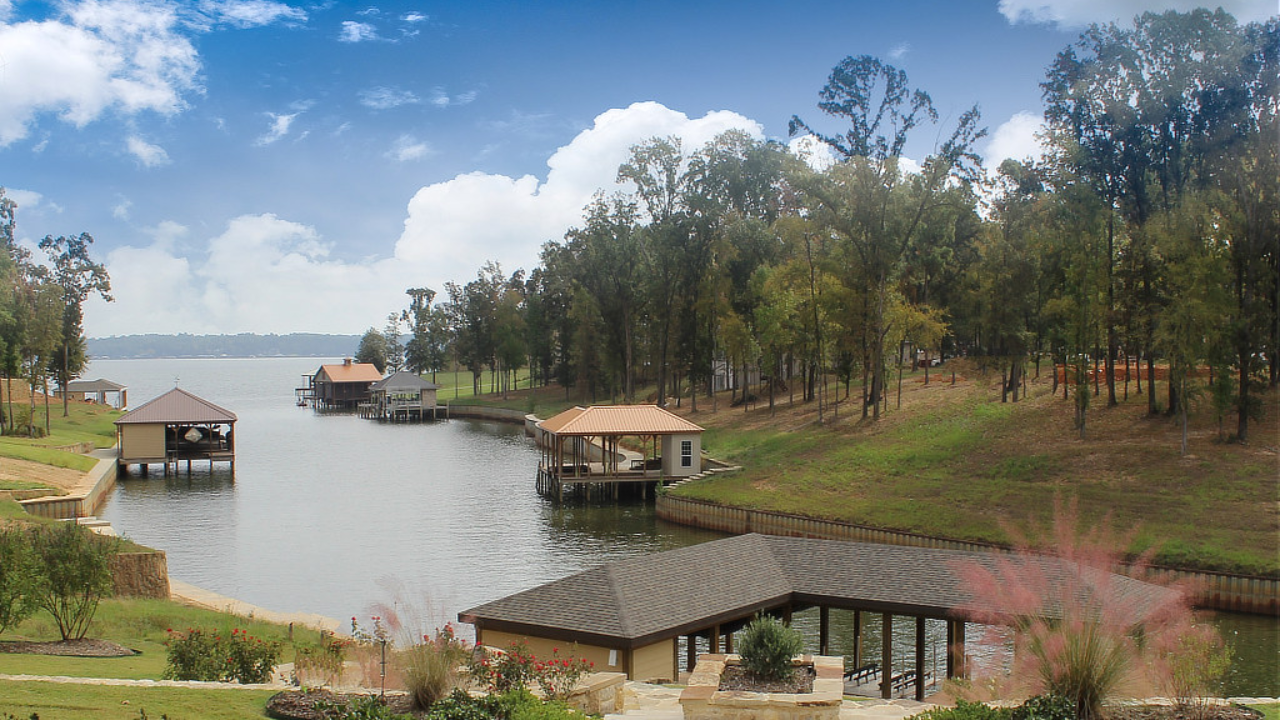
Land in Texas rarely stays in the same hands for nearly a century without a fight. Development pressures push relentlessly outward from major metropolitan centers, converting working acreage into subdivisions, distribution centers, and master-planned communities. Yet, a quiet transaction in East Texas has bucked this relentless trend. A family that has held a 650-acre property near Lake Palestine since 1940 has agreed to a $10 million deal that will transform their generational homestead into a public state park.
This preservation effort highlights a rare convergence of conservation funding, willing landowners, and state park expansion goals. Lake Palestine, situated on the Neches River southeast of Tyler, provides the scenic backdrop for this acreage. For decades, the property operated away from the public eye, managed by descendants of the original mid-century owners who resisted commercial overtures. Now, the Texas Parks and Wildlife Department is stepping in, utilizing capital to secure recreational access for a rapidly growing state population that desperately needs outdoor space.
The Mechanics of a Multi-Million Dollar Land Legacy
Transactions of this magnitude require navigating complex real estate valuations, environmental assessments, and state budgetary allocations. A $10 million price tag for 650 acres breaks down to roughly $15,384 per acre. In Henderson County or surrounding Smith County tracts near waterfront assets, this valuation reflects both the timber value, the shoreline frontage, and the sheer scarcity of contiguous large-lot parcels.
State acquisitions of this scale do not happen overnight. They involve legislative appropriations, grants from conservation foundations, and negotiations regarding mineral rights, timber exemptions, and familial estate planning. Older landowners often face steep tax burdens when passing property down through multiple generations. Selling to the state for conservation purposes can offer a structured financial exit while satisfying a desire to protect the land from bulldozers and asphalt.
The Texas Parks and Wildlife Department has faced mounting pressure to acquire new parkland. Texas ranks near the bottom nationwide in public land acreage per capita. With millions of new residents arriving over the past decade, existing state parks frequently hit capacity limits on weekends, forcing agencies to turn visitors away. Adding 650 acres of East Texas piney woods and lakefront terrain provides vital capacity relief for regional eco-tourism and recreation.
Balancing Public Access with Ecological Stewardship
Turning private acreage into a public park creates an immediate operational challenge. Pristine wildlife habitats, undisturbed shorelines, and quiet timber stands must suddenly accommodate foot traffic, parking lots, boat ramps, and sanitation infrastructure.
Environmental analysts point out that heavy recreational use can degrade fragile ecosystems if management is underfunded. The Neches River basin supports diverse wildlife populations, including migratory birds, white-tailed deer, and various native fish species. When the state opens a new park, park rangers and conservation scientists must construct trails that prevent erosion, establish clear boundaries to protect sensitive nesting grounds, and monitor water quality along the lakefront.
Local communities view these developments through a dual lens. Chambers of commerce and hospitality operators celebrate the influx of tourists, campers, and anglers who spend money at local diners, bait shops, and hardware stores. Conversely, rural residents often express valid concerns regarding increased traffic on quiet county roads, potential trespassing, and the loss of local tax revenue once private land transfers to tax-exempt state ownership.
The Broader Trend of Generational Land Turnover
The Lake Palestine agreement sits within a broader socio-economic shift across the American South. The generation that acquired rural property in the 1930s, 40s, and 50s is long gone, and their grandchildren and great-grandchildren often live in urban centers far from the family homestead. Splitting an inheritance among five or ten cousins usually forces a partition sale, leaving open land vulnerable to developers.
When a family chooses conservation over subdivision, it represents a conscious rejection of short-term financial maximization in favor of lasting community value. Similar land deals across the Lone Star State have saved critical habitats, but many more parcels are lost each year to the relentless march of suburban sprawl.
As public agencies finalize the master plan for the new Lake Palestine park, the focus shifts to infrastructure investment and timeline rollouts. Trails must be cut, permits secured, and facilities built before the gates swing open to the public. The transformation of this 650-acre family sanctuary into a state park ensures that future generations of Texans will experience the quiet pine forests and open waters that one family quietly guarded for eighty-four years.


