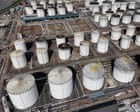
Crude oil just punched past the psychological $100-a-barrel mark for the first time since July, and you are about to feel the shockwaves at the gas pump. Brent crude climbed 2.1 percent to cross the threshold as military clashes in the Middle East intensified. If you thought energy markets had settled into a predictable routine after earlier summer lulls, you were wrong.
The immediate catalyst driving this surge is a sharp escalation between the United States and Iran around the Strait of Hormuz. US Central Command confirmed the destruction of five Iranian crude oil tankers near Kharg Island. That military action came in direct retaliation for Islamic Revolutionary Guard Corps ballistic missile attacks targeting American warships. Tit-for-tat strikes on vital shipping infrastructure have effectively upended normal trade flows through a waterway that historically carries roughly a fifth of the world's oil and gas.
The Reality of Supply Disruptions
Markets hate uncertainty, and right now, the energy sector is drowning in it. When tankers get targeted and insurance rates for commercial shipping skyrocket, crude doesn't just flow freely. Iran responded to recent American strikes by claiming hits on multiple vessels and launching missile strikes reaching as far as the Al-Azraq air base in Jordan.
At the same time, Houthi militants aligned with Tehran have stepped up drone and missile attacks on energy infrastructure inside Saudi Arabia, affecting processing operations at key sites. These aren't abstract geopolitical headlines. They are physical bottlenecks preventing millions of barrels of oil from reaching global refineries.
Financial institutions are already scrambling to revise their models. JPMorgan estimates that every additional month of significant supply disruption could slap another $7 to $8 onto baseline Brent prices. Goldman Sachs warns that extended shipping disruptions in the Persian Gulf create severe upside risk for both crude and refined products.
What Happens to Consumers Next
You don't need a degree in macroeconomics to understand the fallout. When crude spikes, everyday goods follow suit. National averages at the pump are already climbing past $4.15 a gallon, while diesel sits near historic highs close to $5.90. Higher fuel costs mean higher shipping expenses for everything from groceries to online retail packages.
Inflationary pressures are creeping back into the system just as central banks hoped price growth was cooling. Wall Street reacted swiftly to the oil shock, with stock futures pulling back as investors brace for sticky inflation and compressed corporate margins.
How to Protect Your Finances Right Now
Stop ignoring your monthly fuel and energy expenditures. If you manage a business with heavy logistics needs, lock in fuel contracts now before spot prices climb higher. If you are an individual commuter, look for ways to optimize travel routes or consolidate errands to cut down on unnecessary miles. Watch macroeconomic indicators closely over the next few weeks rather than relying on short-term political assurances. Energy volatility is here to stay, and preparation beats panic every single time.
Oil Surges Above $100 as Iran War Shakes Global Markets
This video provides a detailed overview of how the escalating conflict in West Asia and disruptions in the Strait of Hormuz are driving global oil prices past $100 a barrel.
http://googleusercontent.com/youtube_content/1