.png)
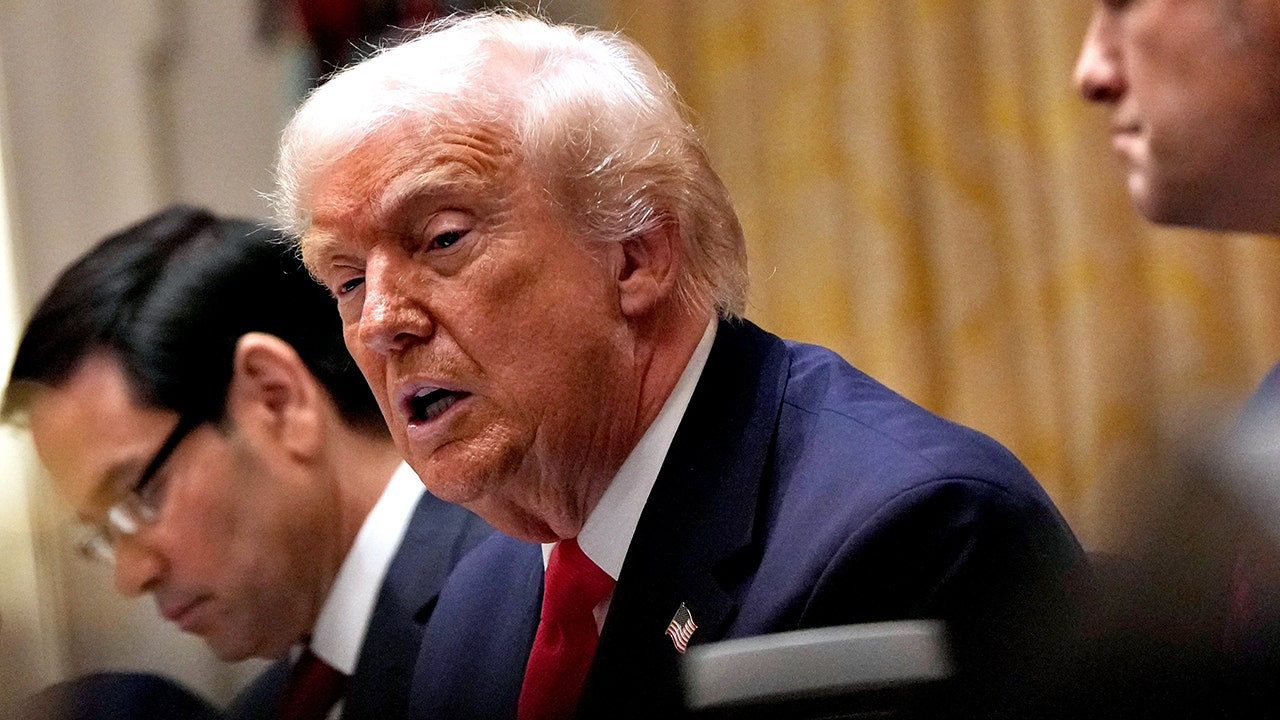
The fragile silence across the Persian Gulf is currently being sustained by nothing more than the ego of a ticking clock. President Donald Trump confirmed on Monday that the ceasefire initiated on April 7 is on life support, describing the latest diplomatic proposal from Tehran as "garbage" that he refused to even finish reading. The rhetoric marks a definitive shift from the optimism of the Pakistan-mediated talks in Islamabad just weeks ago. While the White House maintains that the door is technically open, the reality on the water tells a different story. The US Navy is preparing to resume Project Freedom, a high-stakes military escort mission for oil tankers through the Strait of Hormuz, effectively signaling that the administration has moved past the talking phase.
This isn't just a breakdown in communication; it is a fundamental collision of two irreconcilable demands. Trump is demanding the unconditional surrender of Iran’s nuclear ambitions, including the physical removal of its enriched uranium stockpile. Tehran, meanwhile, is betting that its chokehold on the world's most vital energy artery will eventually force a US retreat. If you liked this article, you might want to read: this related article.
The Nuclear Poison Pill
The core of the collapse lies in the "zero enrichment" mandate. In early April, there were whispers that Iran might concede on certain technical oversight measures. However, the proposal rejected this morning apparently walked back those concessions. According to officials familiar with the document, Iran offered a "managed freeze" rather than the total dismantling Trump requires.
For the Trump administration, a freeze is a non-starter. Vice President JD Vance has repeatedly stated that the objective is an "affirmative commitment" that removes the tools for nuclear breakout entirely. This isn't about moving goalposts; it's about the administration’s belief that any Iranian enrichment capability is a latent weapon. For another perspective on this development, check out the recent coverage from Associated Press.
Iran’s Atomic Energy Organization has countered by stating they will not accept "humiliating" limits on what they deem a sovereign right to energy. This deadlock has turned the ceasefire into a tactical pause for both sides to re-arm rather than a bridge to a permanent settlement.
The Strait of Hormuz Standoff
While the diplomats argue over centrifuges, the global economy is watching the water. Iran continues its blockade of the Strait of Hormuz, a move that has sent oil prices surging past $105 a barrel. In response, the US has maintained a counter-blockade on Iranian ports.
The President’s threat to restart naval escorts is a direct challenge to Iranian sovereignty over the waterway. Last week, Saudi Arabia reportedly balked at the idea, refusing to allow its bases to be used for what it viewed as an escalatory maneuver. This internal friction among US allies adds a layer of complexity that Tehran is eager to exploit. If the US proceeds with unilateral escorts, the risk of a "hot" incident involving drone swarms or sea mines increases exponentially.
Infrastructure as the Next Target
The stakes have shifted from tactical military strikes to a threat of total civil collapse. Trump has been explicit. If a deal is not reached, the US military has orders to target energy infrastructure and bridges across Iran.
This isn't just "fire and fury" rhetoric. This is a strategy designed to induce domestic instability by literally turning off the lights. A hypothetical strike on the Iranian power grid would not just disable military command and control; it would paralyze the nation's water treatment, hospitals, and food distribution. It is a "maximum pressure" campaign taken to its ultimate, and most dangerous, conclusion.
The Beijing Factor
The timing of this collapse is particularly inconvenient for the upcoming summit with Chinese President Xi Jinping. China remains Iran’s primary economic lifeline, and Xi is unlikely to cooperate with a US-led total embargo.
Trump’s dismissive attitude toward the ceasefire may be a calculated show of strength before sitting down with Xi, but it also leaves him with few off-ramps. If the ceasefire expires and the US begins "blasting Iran back to the Stone Age," as the President previously tweeted, the global energy crisis will transition from a manageable headache to a full-blown depression.
The 1% chance of survival the President mentioned isn't a medical diagnosis; it's a warning. The US is no longer looking for a compromise. It is looking for a win. If Tehran doesn't provide it, the silence of the last month will be replaced by the sound of falling bridges.
Move the carrier groups into position. The window for words has closed.